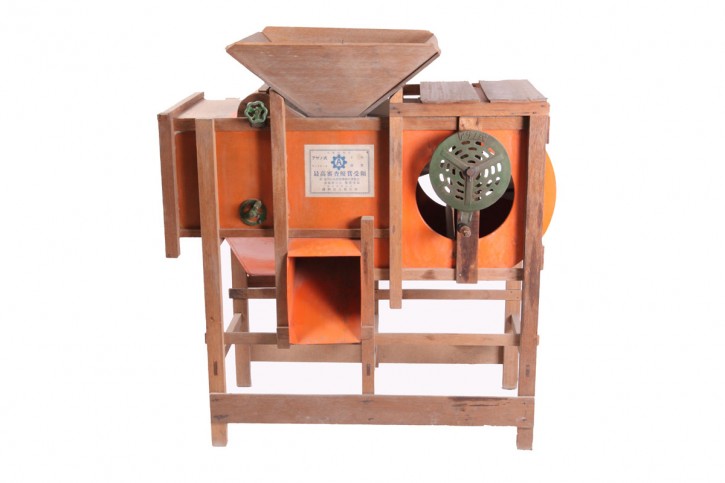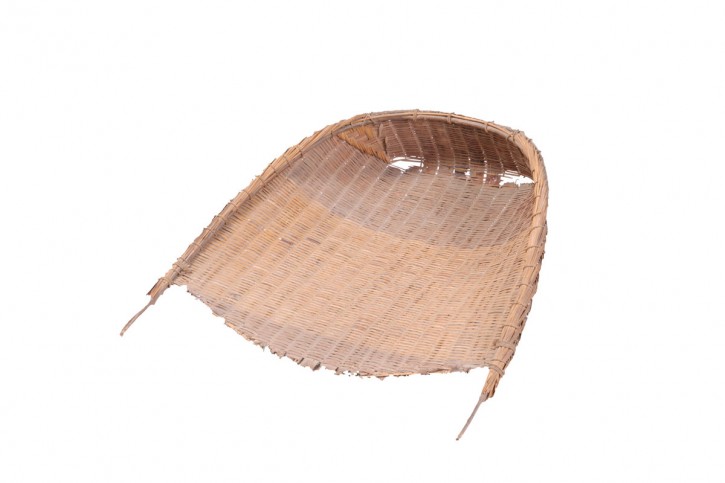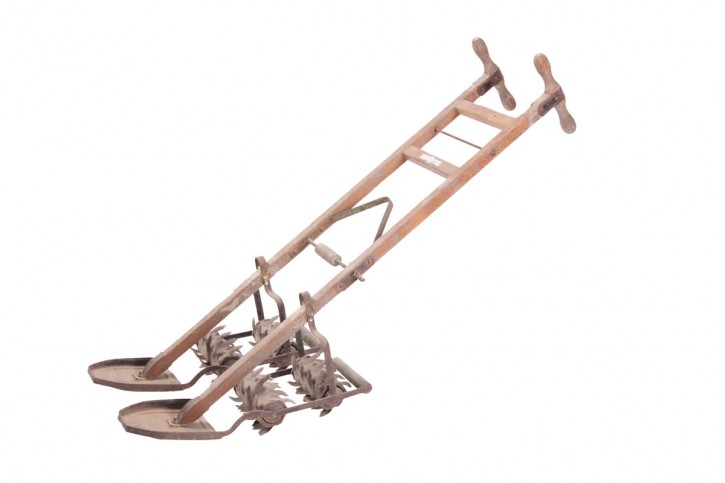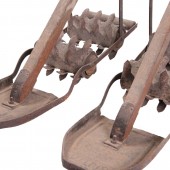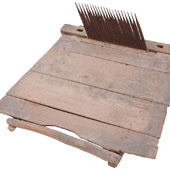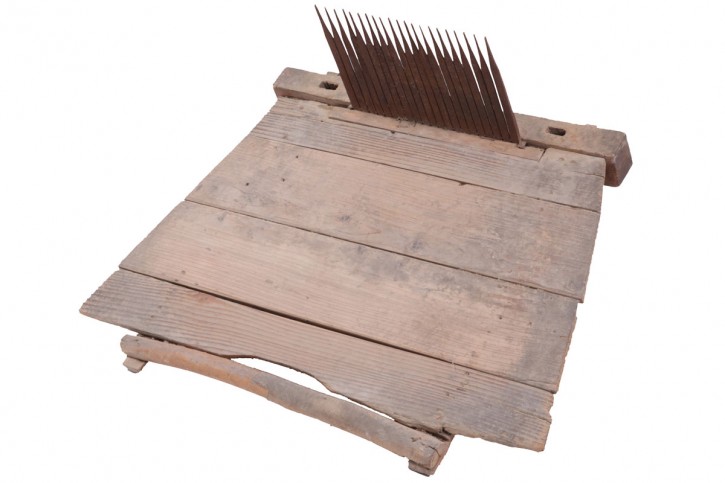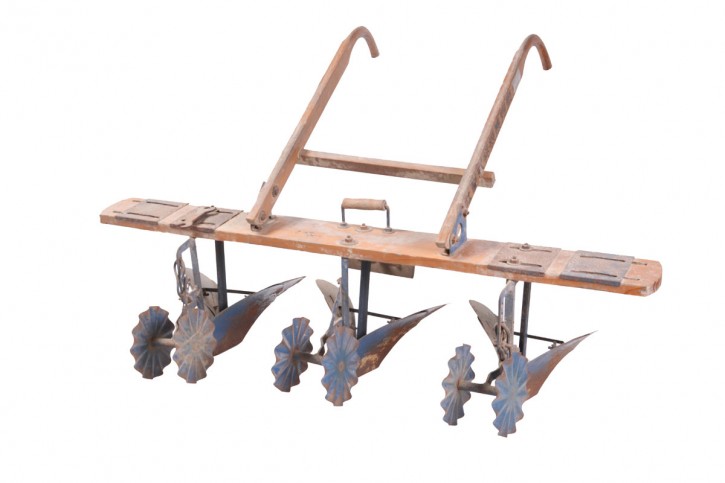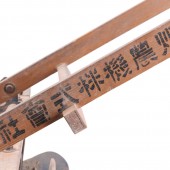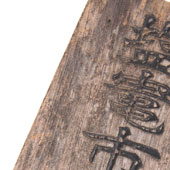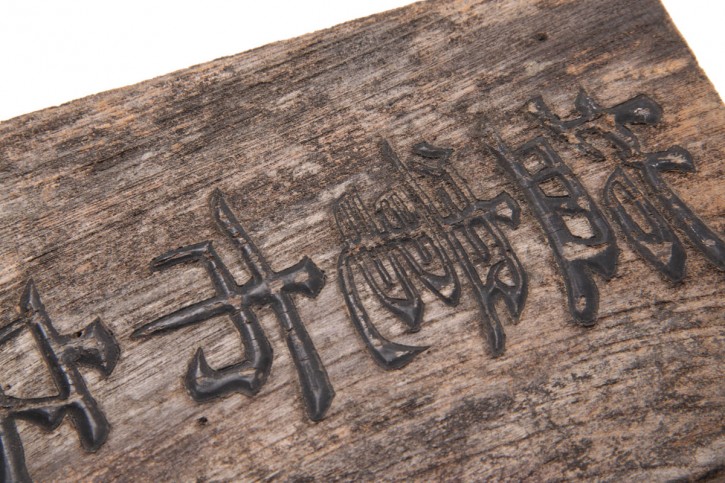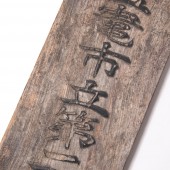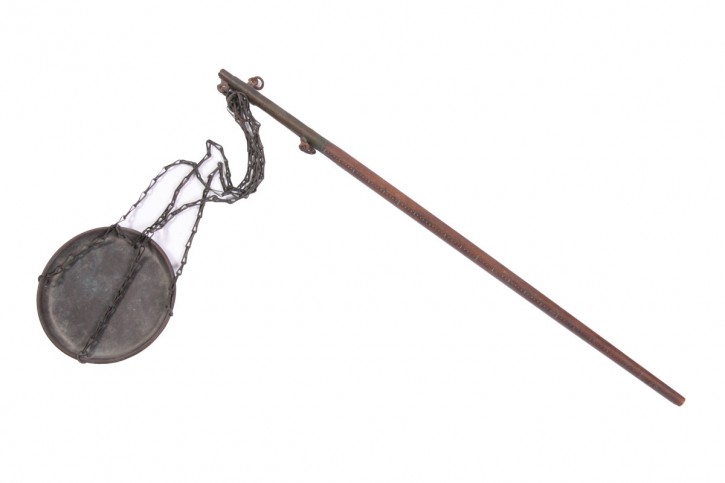
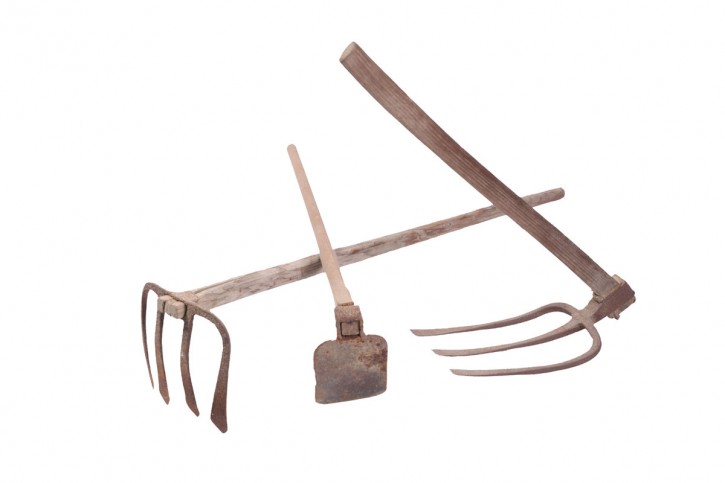
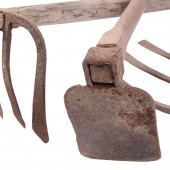
サイズ:1200/850/950mm
収蔵場所:第二小学校歴史資料室 塩竈市小松崎10-1
閲覧可(閲覧を希望される場合には、事前に直接お問い合わせください)
収蔵場所:第二小学校歴史資料室 塩竈市小松崎10-1
閲覧可(閲覧を希望される場合には、事前に直接お問い合わせください)
塩竈に関係の深い文化財や美術作品、文学作品を鑑賞することができるウェブサイト


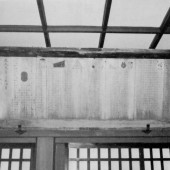
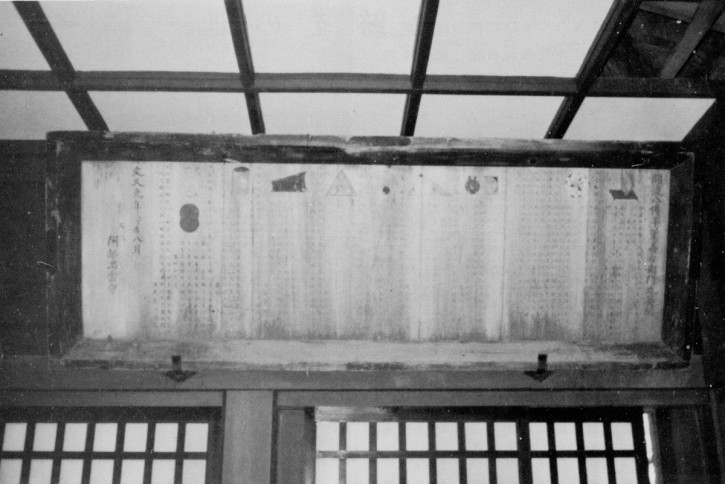
算額とは、江戸時代の日本で、額や絵馬に和算の問題や解法を記して、神社や仏閣に奉納したものです。江戸時代中期以降、和算が全国に広まる中で、レベルの高さを周囲に示しつつ、さらなる和算普及を願って奉納された算額が各地に残っています。この算額は、文久元年(1861)に鹽竈神社に奉納されたもので、末尾に記されている「阿部出雲守」は当時の神職で、奉納を取り継いだ人です。
より大きな地図で 「文化の港 シオーモ」 を表示
JPN|ENG
Sangaku is an Ema (Japanese votive picture) for education, dedicated to the shrine for the purpose of spreading the achievements of Japanese mathematics and learning since the mid Edo period. Izumo Abe was a Shinto priest of Shiogama shrine who was very successful.
Dedicated in the 1st year of Bunkyo(1861)
1-1 Ichimoriyama, Shiogama, Miyagi (Shiogama shrine museum)
日本語|ENG
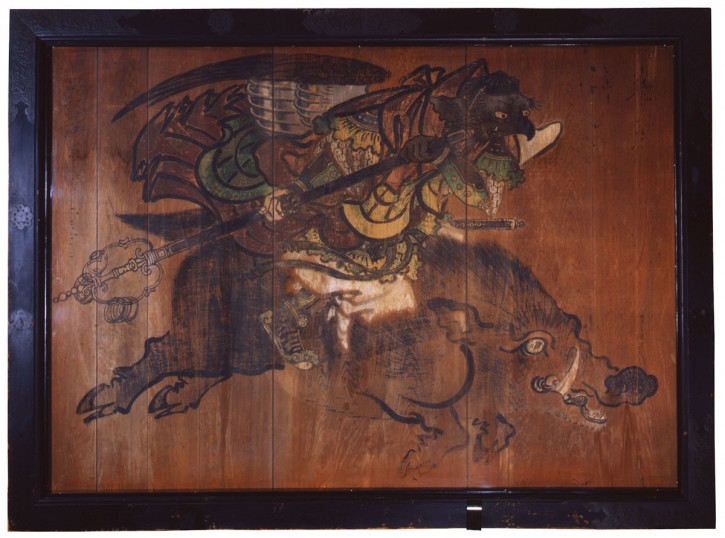
享和3年(1803)9月、白石藩八代の片倉小十郎村典(のちの村嗣)が奉納したものです。縦1.8m×横1.5mの大絵馬で、現在は鹽竈神社博物館に展示されています。
安政7年(1860)2月、十代村景の代に至り、彩色が剥落したため、画工川村春洋に命じて補修せしめたとの墨書が裏面にあります。
元和元年(1615)大坂の夏の陣に伊達政宗とともに出陣した片倉家の祖 小十郎重綱が、山城国愛宕大明神の霊験により大勝を得たことに感謝し、愛宕神社に絵馬を奉納しました。片倉家ではこの絵馬を模写し、崇敬する諸社に奉納したことが知られており、鹽竈神社に奉納された絵馬もその中の1枚であると考えられています。
より大きな地図で 「文化の港 シオーモ」 を表示
JPN|ENG
In September, Kyowa 3(1803), this picture tablet was dedicated by Katakura Kojyurou, a lord of Shiroishi castle. In February of 1860, it was noted in the back of the tablet that the castle lord Murakage ordered the artist Shunyo Kawamura to restore the fading color of the picture. Shigetsuna, an ancestor of the Katakuras, fought in a battle in Osaka in Genwa 1(1615). He is said to have won that battle due to the miraculous efficacy from the great Atago deity in Yamashironokuni (now Kyoto), and thus dedicated the picture tablet there. The picture tablet dedicated to Atago shrine in Shiogama was an imitation of that tablet. It is a big picture tablet that is 1.8m long and 1.5m wide, and is presently preserved in the Shiogama shrine museum.
1-1 Ichimoriyama, Shiogama, Miyagi (Shiogama shrine museum)
日本語|ENG
より大きな地図で 「文化の港 シオーモ」 を表示
JPN|ENG
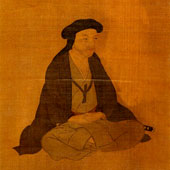
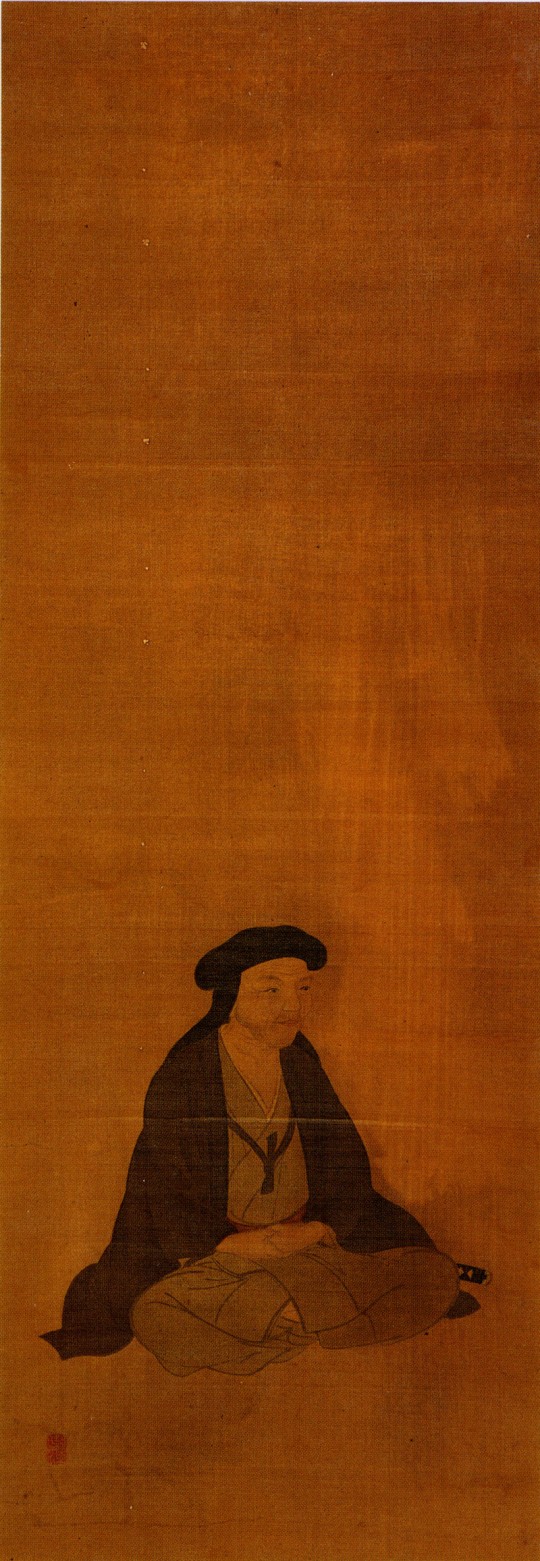
Kyokko Koike (1758~1847), an artist from Shiogama, earned a high reputation as one of the best four artists in Sendai (Toyo Azuma, Kyokko Koike, Baikan Sugai, Isyu Kikuta). She learned a Chinese style of painting by following Shinnanpin (The artist from the Qing, who visited Nagasaki during the Edo period and taught the realistic painting of birds and flowers) and Ougou (one of the top four artists in the Yuan period) for landscape painting. She spent most of her 90 years of life traveling, so she left not only landscape paintings of Shiogama and Matsushima, but also landscapes of each place she visited.
1-1 Ichimoriyama, Shiogama (Shiogama shrine museum)
日本語|ENG
県指定有形民俗文化財
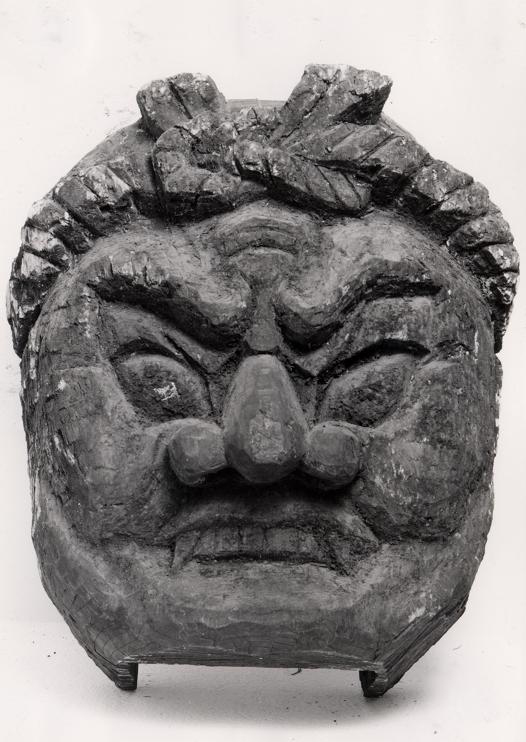
カマ神は、 宮城・岩手両県の農村地帯の旧家には土や木製の恐ろしい顔の面が竈や柱の上に掲げられています。 これは新築の際、 大工・左官の手によって創られたものといわれ、 眼を大きく開き歯をむき出した黒光りする恐ろしい顔は、 そのまま家の歴史を象徴するかのような威厳を感じさせ、 火や台所を司る神として家の守護神として今なお御神威を発揚されている神です。
鹽竈神社所蔵のかま神面十体は、 県内各地域 (登米郡、 桃生郡、 宮城郡、 栗原郡) から広く収集した資料であり、 地域の特徴をもつ優品で、 江戸時代の民俗資料として貴重な文化財です。 (土製5体、 木製5体)
昭和60年5月24日指定
より大きな地図で 「文化の港 シオーモ」 を表示
JPN|ENG
Miyagi prefecture designated tangible folk cultural properties
Kama God is a frightening facemask made from soil or wood. It’s hung on the pillars of old houses in rural areas of Miyagi and Iwate prefectures. It’s said that plasterers or carpenters created these masks when they built a house. The eyes are opened wide, the teeth bared and shining black. The frightful face gives the impression of dignity. It’s the direct symbol of history of the family lives in the house. It’s a God of fire and kitchen, and a guardian of the house. 10 Kama God masks are in Shiogama shrine, which were widely collected from different regions of Miyagi prefecture (Tome-gun, Monou-gun, Miyagi-gun, Kurihara-gun) They all have distinctive characteristics of each region and recognized as valuable cultural properties of Folklore of the Edo period. (5 clay masks, wooden 5 masks)
Designated on May 24, 60th year of Showa (1985).
1-1 Ichimoriyama, Shiogama, Miyagi (Shiogama shrine museum)
日本語|ENG
より大きな地図で 「文化の港 シオーモ」 を表示
JPN|ENG
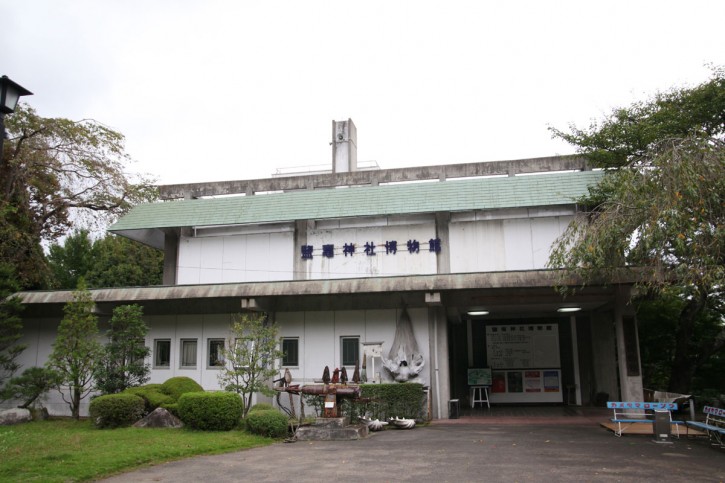
In 1965 it was constructed on the site of the premise of Tomoaki Fujitsuka, located on Shiogama shrine’s property. The museum’s 5000-piece collection mainly consists of historical treasures and materials.
1-1 Ichimoriyama, Shiogama, Miyagi
日本語|ENG

国指定重要文化財
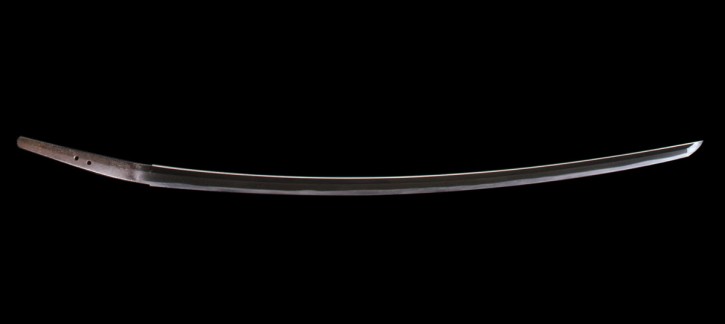
鎌倉末の作品、 長さ二尺七寸六分 (83.6㎝)。 身巾広く腰につよい踏張りがあり、 反りの高い長寸の太刀です。 仙台藩四代藩主の綱村公が初めて領国にはいった延宝3年 (1675年)、 領国安穏を祈って鹽竈神社に奉納したものです。 明治42年9月21日指定
より大きな地図で 「文化の港 シオーモ」 を表示
JPN|ENG
(A national important cultural property)
Dates from the late Kamakura period. It is 83.6cm in length, strongly curved and thick. Enpou 3 (1675), when the feudal domain of Sendai was first formed, its fourth lord, Tsunamura, dedicated the sword to the shrine in the name of peace.
Designated [a national treasure] on September 21, 42nd year of Meiji (1909).
1-1 Ichimoriyama, Shiogama, Miyagi (Shiogama shrine museum)
日本語|ENG
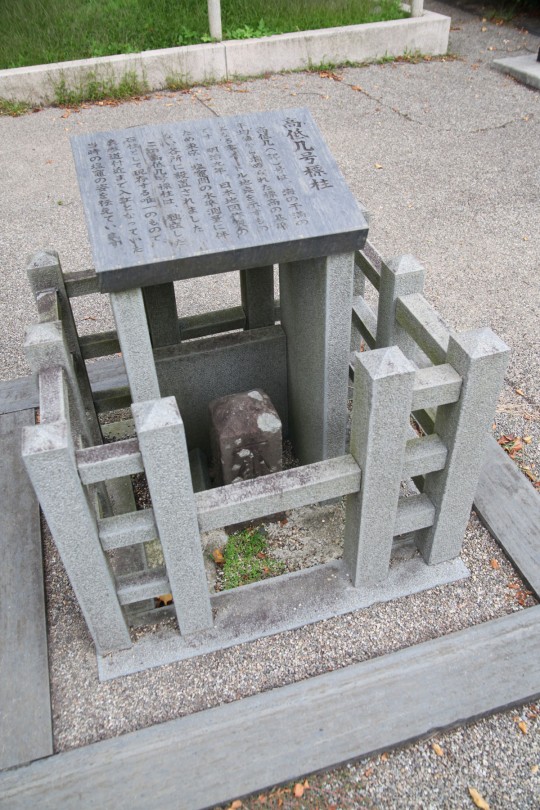
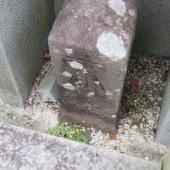
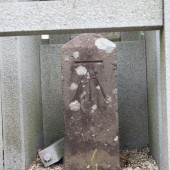
塩竈神社表参道の大鳥居のわきの高さ37㎝、上部1辺15㎝の四角錐の石柱。この石柱の表面には標高を測る基準となる高低几号の「不」の記号が刻まれています。この石柱は明治初期に近代日本地図の基礎とするために、 当時の内務省が関東以北に設置した水準点 「高低几号標」で、北の起点となったものです。
より大きな地図で 「文化の港 シオーモ」 を表示
JPN|ENG
This stone pillar stands next to a big torii archway (gate) in the front entrance of Shiogama shrine. It’s 37cm high, and has a square pyramid shape with a stone on the top the sides of which are 15cm long. On the front side of the pillar, there is a symbol or mark engraved to show the standard altitude of Japan. It was established by the Ministry of Home Affairs to commemorate the creation of the first modern Japanese map in the early Meiji period. It was also used as a marker to distinguish between the northern Kanto and Tohoku regions.
1-1 Ichimoriyama, Shiogama, Miyagi
日本語|ENG
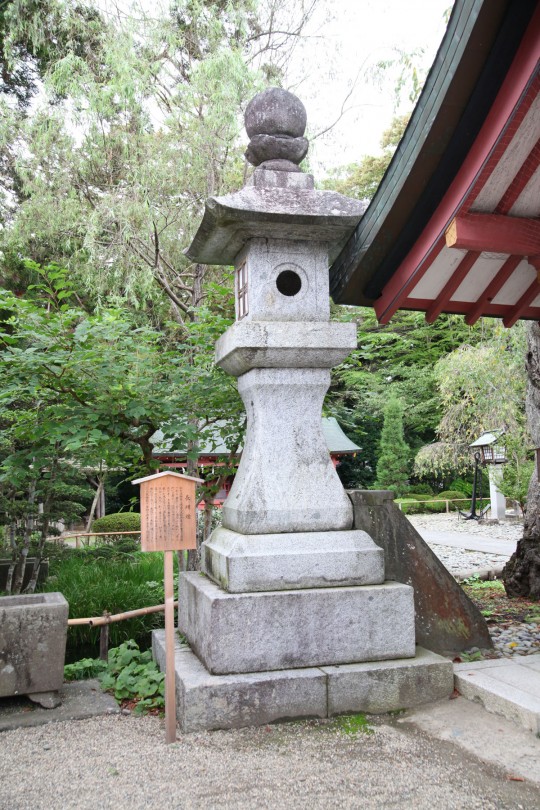
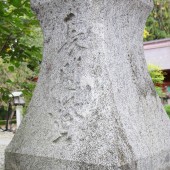
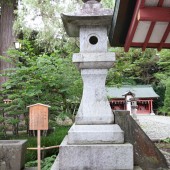
仙台藩御用の米商人大阪升屋山片重芳の寄進です。 重芳を育てた番頭山片蟠桃は 「夢之代」 を著わし近代合理主義の先駆となった大学者で、サシ米検査を無料で引受ける代わりに抜いた米をもらう米札藩札で米を買い上げ、現金は大阪で利を生ませる妙策を用い、藩の財政危機を救いました(享和3年〔1803〕)。
御影石で作り、 大阪から大船で運んできたこの大燈籠は当時の升屋の隆盛を偲ばせます。
より大きな地図で 「文化の港 シオーモ」 を表示
JPN|ENG
This was donated by Shigeyoshi Yamakata, a rice merchant of Osaka Masuya who worked for Sendai domain. The head manager, Yamakata Hantou, who raised Shigeyoshi, was a great scholar. He wrote a book「Yumenoshiro」and became a forerunner of modern rationalism. He solved the financial crisis of the Osaka domain with a clever scheme. Instead of doing “stick rice investigation” free of charge, he collected the rice used for that investigation. Then, he exchanged the rice for money, and used it in a way that profited Osaka. (3rd year of Kyowa)
The lantern is made of Mikage stone, shipped from Osaka, and remains a reminder of the prosperity of Masuya at that time.
1-1 Ichimoriyama, Shiogama, Miyagi
日本語|ENG