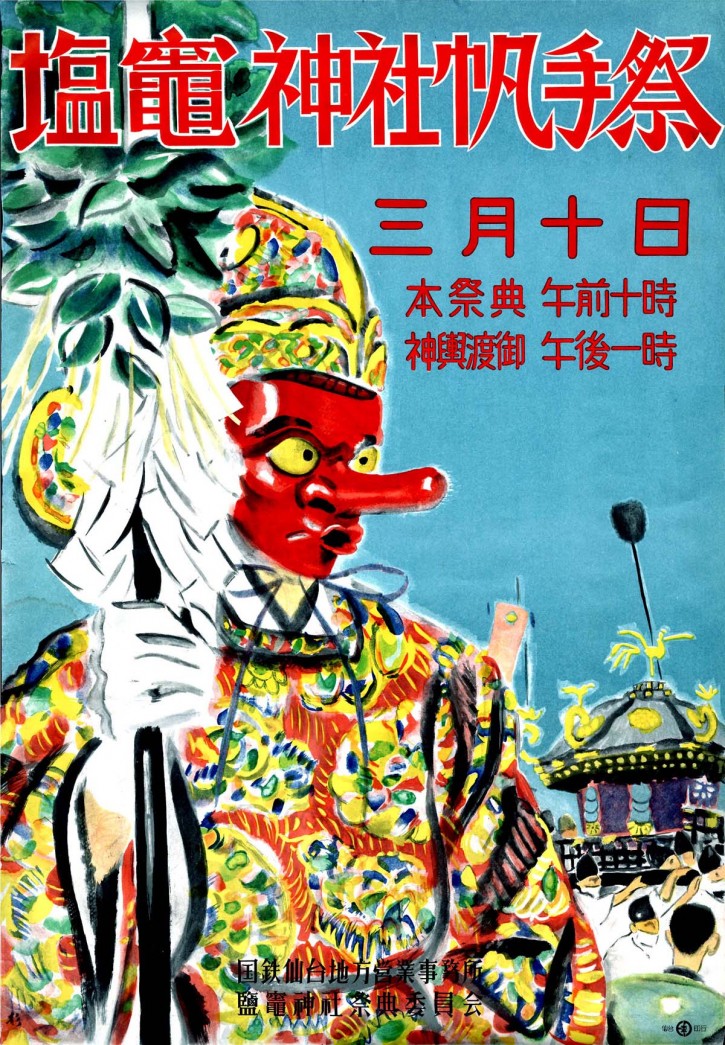
塩竈神社帆手祭 三月十日
作者・著者:杉村惇(すぎむら じゅん)
サイズ:690 x 495mm
材質・形状:ポスター
作者・著者:杉村惇(すぎむら じゅん)
サイズ:690 x 495mm
材質・形状:ポスター
塩竈に関係の深い文化財や美術作品、文学作品を鑑賞することができるウェブサイト


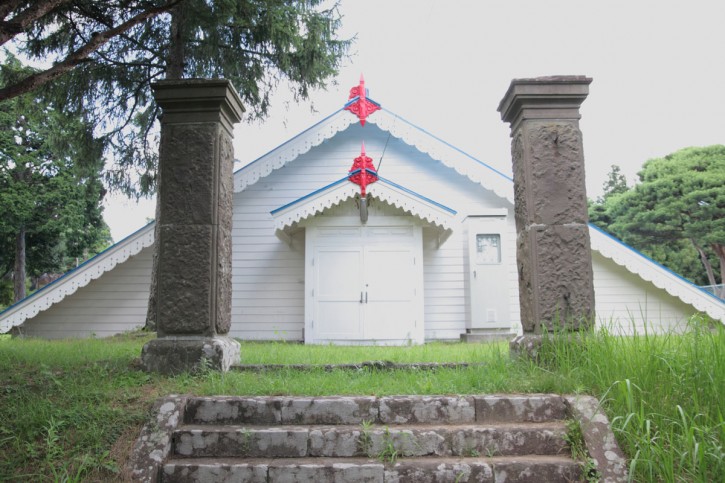
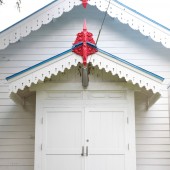
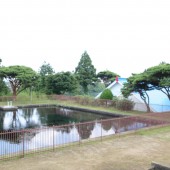
慢性的な水不足を解消するため、 明治23年上水道工事に着手、 明治45年に近代的水道施設が完成しました。
利府の春日水源 (湧水2,400/日) より取水し、 権現堂までの延長4,340を導水し、 ろ過池・配水池を経て、 町内に配水するものでした (計画給水人口14,000人、 一人平均給水量111)。
この権現堂浄水施設は本市水道創設期を物語る歴史的建造物です。
より大きな地図で 「文化の港 シオーモ」 を表示
JPN|ENG
To solve the chronic water shortage, water supply construction started in Meiji 23 (1890). It was completed in Meiji 45 (1912) and was a modern water supply facility in those days. It had better intake compared to the Kasuga water source in Rifu (2400 m3 spring/day). It conveyed the water to Gongendō through 4,340m, through a filter and then on to the town. (water supply plan: population of 14000, the average 111ℓ water per person) This historic facility tells the story of the establishment of the Gongendō water filtration site.
2-43 Gongendo, Shiogama, Miyagi
日本語|ENG
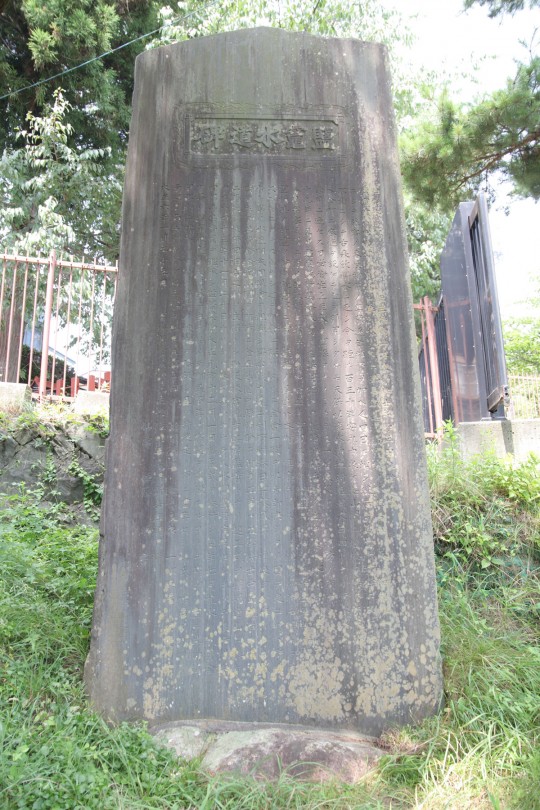
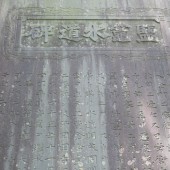
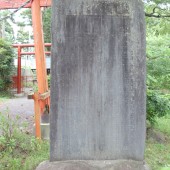
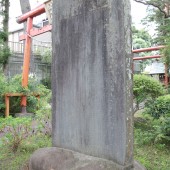
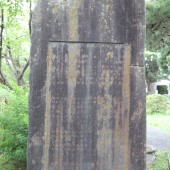
①祓川の碑 (熊野神社)
安永6年 (1777年) 大肝入り鈴木勘右衛門が水道事業をおこし泉沢堤から水道 (竹樋) により給水し水不足の解消をはかった顕彰碑です。 もとは、 赤坂橋近くにありましたが、 戦後河泥に埋もれるのを憂えて、 現在の権現堂浄水場内に移されました。
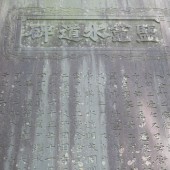
②水道の碑
飲料水の不足に堪えかねた塩竈が明治23年に利府町春日からの引水工事に着手、 45年に完成しました。 総工費15万円。 碑文にはその事業経過と参画者名が印され、 同地内の熊野神社脇に拡張工事の碑文もあります。
より大きな地図で 「文化の港 シオーモ」 を表示
JPN|ENG
① Harai river monument (Kumano shrine)
In Anei 6 (1777), Kan-emon Sugiki solved the problem of water shortage by having water pipes (bamboo gutter) laid from the Izumisawa water bank to supply water. Originally, the monument was located near Akasaka bridge but during the war, it was thought that it might be buried in the mud of the river, so it was moved to the current Gongendō water filtration site.
② Water Monument
Responding to the shortage of drinking water, Shiogama initiated construction to irrigate water from Kasuga, Rifu town. It started in Meiji 23 (1890) and was completed in Meiji 45 (1945). It cost 150,000 yen in total. The name of the participants and the record of the project were engraved in the inscription. There is also a monument to the water works expansion next to Kumano shrine.
2-43 Gongendō, Shiogama, Miyagi
日本語|ENG
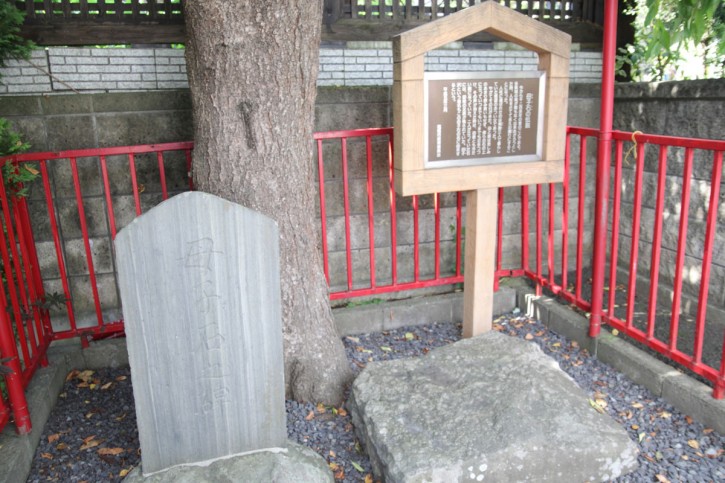
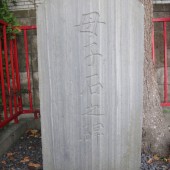
今から1200年前の昔 (平安) のことです。 多賀城の政庁が間もなく完成しようとした時、 人柱を立てて永久の護りにすることになりました。 人柱に選ばれたのは親娘三人で暮らしていた信仰の厚い父でした。 やがてその日が来ました。 母と娘は悲しみのあまり飲みも食いもせず傍の石の上に立っていつまでも泣きつづけその声が消えた時は母娘とも冷たい屍になっていました。 二人の立っていた石には母娘の足跡が残されました。 塩竈九石の一つ。
(九石…お津むきの石、 影向石、 波よけの石、 男石、 女石、 牛石、 御腰掛石、 しるべの石、 母子石)
より大きな地図で 「文化の港 シオーモ」 を表示
JPN|ENG
This is a story that takes place about 1200 years ago (in the Heian period). When the government office building of Tagajo was almost completed, the idea of Jinchu (a human sacrifice by live burial to pray for the safety of the building) was in practice, and the person chosen was a devoted man who lived with his wife and daughter. The day came, and his wife and daughter grieved deeply. They were so sad that they stopped eating and drinking, and stood crying on the stone until they too perished. Their footprints remained on the stone.
(The Nine Stones are: Stone of Otsumuki, Yogo stone, Stone of Namiyoke, Otoko stone, Ona stone, Cow stone, Okosikake stone, Stone of Shirube, Hahako Stone)
2-34 Shiragiku, Shiogama, Miyagi
日本語|ENG
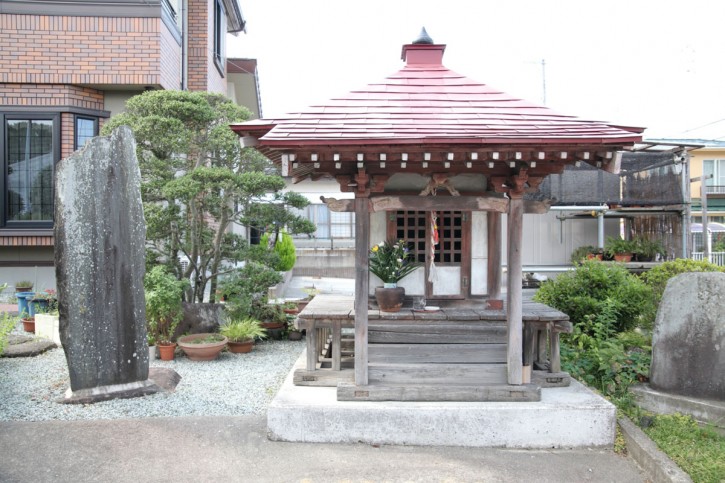
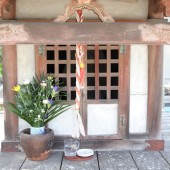
全国・六玉川の一つ。 玉川は塩竈・多賀城両市の境界付近の細流で古くは歌枕に詠まれました。 「夕されば潮風越してみちのくの野田の玉川千鳥鳴くなり」 (新古今、 能因法師) の碑の裏面にも塩竈の俳人白坂文之の 「玉川や田うた流るる五月雨」 の句があり、 祠があります。 (現在は個人所有地内)
六玉川…野田の玉川 (塩竈市)、 井手の玉川 (京都府)、 野路の玉川 (滋賀県)、 高野の玉川 (和歌山県)、 調布の玉川 (東京都)、 玉川の里 (大阪府:三島の玉川)
より大きな地図で 「文化の港 シオーモ」 を表示
JPN|ENG
One of six national Tama rivers. Tama river is located on the border of both Shiogama city and Tagajo city. It was well known as a place famed in poetry in ancient times: “Yusareba Shiokaze koshite michinokuno nodano tamagawa chidori nakunari” (Shinkokin, Noin-hoshi). Also, on the back of the monument, there is a phrase by Bunshi Shirasaka, a poet in Shiogama: “Yu sareba Shiokaze koshite michinokuno nodano tamagawa chidori nakunari”
The Six Tama rivers: Noda Tama river (Shiogama city), Ide Tama river (Kyoto), Noji Tama river (Shiga Prefecture), Kono Tama river (Wakayama prefecture), Chofu Tama river (Tokyo), Tamagawa no sato (Osaka: Mishima Tama river)
1-5-20 Tamagawa, Shiogama, Miyagi
日本語|ENG
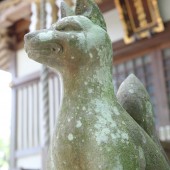
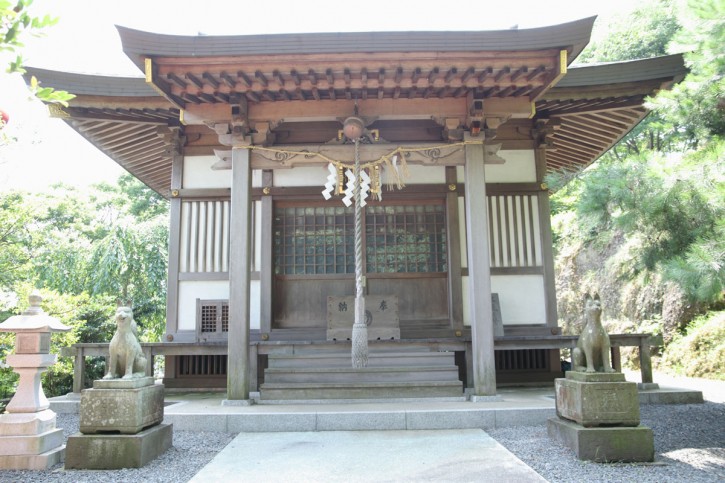
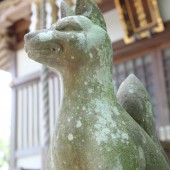
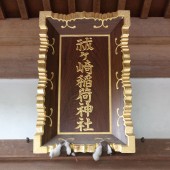
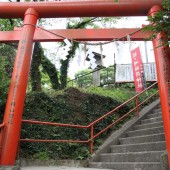
創祀年月は不明ですが、 古くは祓崎の地 (現稲荷下松竹ビル付近) に有り、 伊達藩鹽竈神社参拝の折はこの地において祓い清めた後参拝されたことなどから、 鹽竈神社の祓所としての役割を担っていました。 そのことからこの地を祓崎と言い社号にもなっています。 現社殿は文政3年 (1820年) 7月再建し、 京都の伏見稲荷大社より霊璽を奉遷して正式に稲荷神社となりました。 しかしながら、 明治以降の鉄道建設、 築港などにより3回の御還座と御社殿の移転を余儀なくされ、 平成元年11月に現在の御社殿を改築し竣工しました。
祓崎稲荷神社は、 海岸通・尾島町・港町・中の島各地域の氏神様として、 猿田彦大神・倉稲大神・大宮比賣 (姫) 大神の三神をお祀りしています。
より大きな地図で 「文化の港 シオーモ」 を表示
JPN|ENG
The founding year is unknown. In ancient times it was on the land of Haraigasaki (near the Inarishita-shochiku building). People of the domain of Date visit the shrine to exorcise demons and spirits before they visit Shiogama shrine. The shrine was rebuilt in July of Bunsei 3 (1820). The shrine was said to formally seal the spirit from the Housen Fushimi Inari Taisha in Kyoto. However, railway and bay construction has forced the shrine to move three times. In November, of Heisei 1 (1989), the shrine was completed.
Haraizaki-inari shrine deifies three Gods: Sarutahiko, Ukanomitama and Omiya-hime (princess), all local guardian gods of the areas of Kaigan street, Ojima town, Minato-town and Nakano island.
3-12 Ojima-cho, Shiogama, Miyagi
日本語|ENG
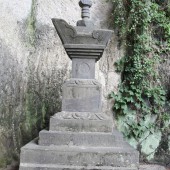
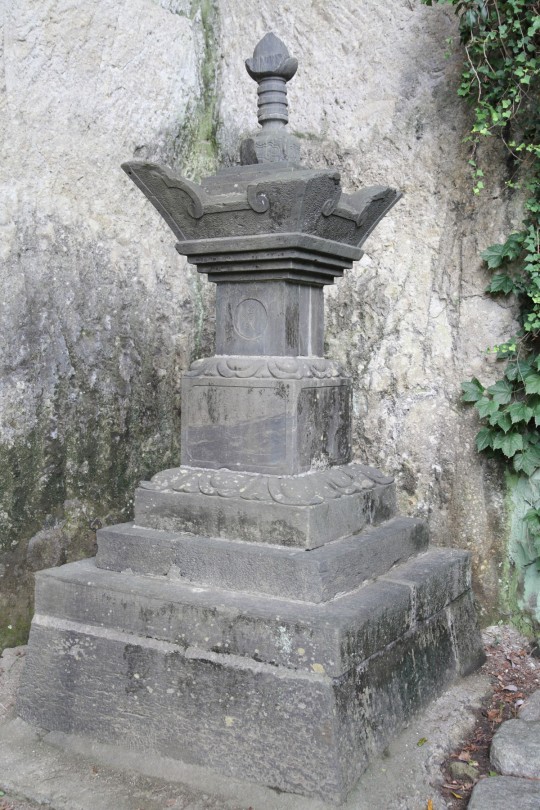
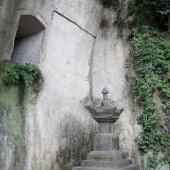
寛政3年 (1791年)5月法蓮寺が諸性霊供養のため新河岸に宝篋印塔を建立しました。 これに対して、 鹽竈神社は神域であると寺側と対立、 奉行に直訴すると言う事態に発展しました。 結局、 神社側の勝訴となり塔は撤去されました。 現在は東園寺不動明王の境内にあります。
より大きな地図で 「文化の港 シオーモ」 を表示
JPN|ENG
In May of Kansei 3 (1791), Horen temple built this tower for the repose of various souls. However, Shiogama shrine claimed that the tower was in the holy precincts of the Shinto shrine, and they made a direct appeal to the temple. Eventually the tower has removed and now it’s in the precincts of Toen temple Fudomyo-ou.
Toenji temple 4-1 Asahicho, Shiogama, Miyagi
日本語|ENG
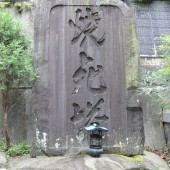
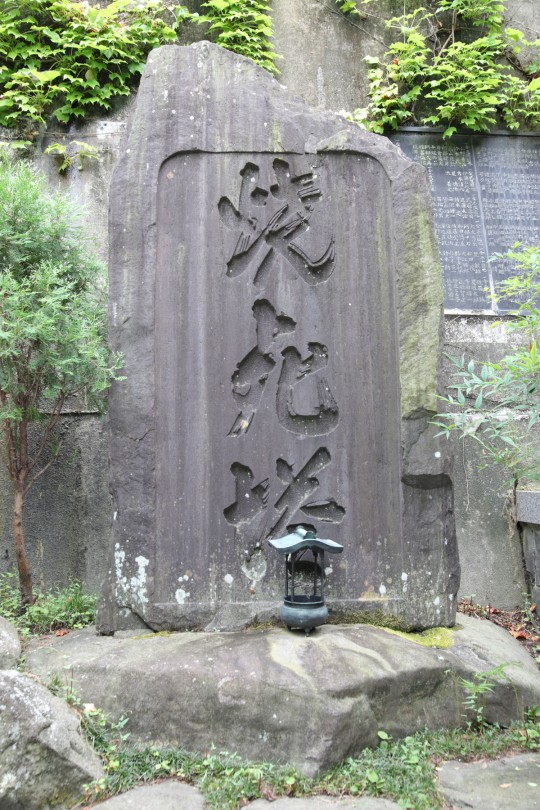
慶応3年(1867年)新河岸から出火し、 本町・仁井町などへ飛火・延焼し塩竈の大部分337戸 (当時480戸) を焼失する大火災となりました。その際の焼死者36人の供養のために百日忌に建てられました。東園寺にあります。
より大きな地図で 「文化の港 シオーモ」 を表示
JPN|ENG
In Keio 3 (1867), a huge fire broke out in the Shingashi area, and spread to Motomachi and Niimachi. Eventually it burned down much of the Shiogama area including 337 houses (480 houses at the time). This tower was built on the 100th day anniversary for the memorial of the 36 people who perished in the flames.
Toenji temple 4-1 Asahicho, Shiogama, Miyagi
日本語|ENG
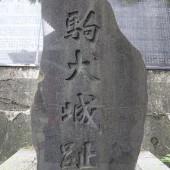
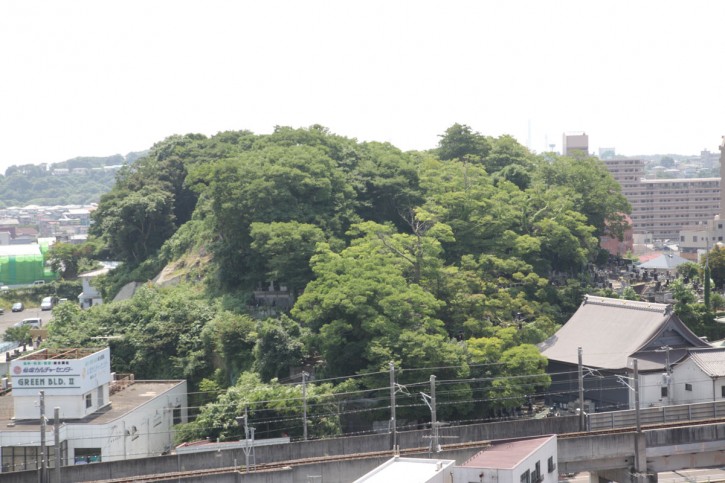
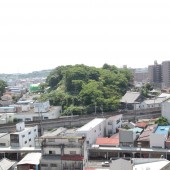
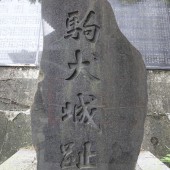
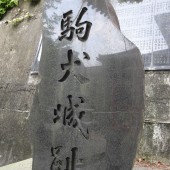
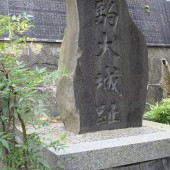
現在、 東園寺境内に所在し、 大部分が墓地となっています。 室町時代(約600年前)に東園寺雷神山上に駒犬城がありました。駒犬城はもと源頼朝の家臣伊沢氏 (留守氏と改める)の城でしたが、後に留守氏の重臣佐藤信高の居城となったので、佐藤舘とも呼ばれたようです。「新撰陸奥風土記」に「鹽竈神社の東南の山に佐藤信高という者の城跡がある」と記されています。元亀元年に廃城となりました。
より大きな地図で 「文化の港 シオーモ」 を表示
JPN|ENG
Currently, the monument is located in Toen temple. Much of its area is used as a cemetery now. In the Muromachi period (about 600 years ago) there was a castle called Komainu on top of Toenji-raijin mountain. Komainu castle was originally the property of a Mr. Isawa (later changed to Mr. Rusu), who was a vassal of Yoritomo Minamoto. Later, it became a residential castle of Nobutaka Sato, who was a senior statesman of Mr. Rusu. Thus it is also known as Sato castle. In the record of Shinsen-mutsu-fudoki, there is a sentence which reads: “There are ruins of a castle of Nobutaka Sato on the mountain of Southeast of Shiogama shrine.” In the first year of Genki, it became an abandoned castle.
4-1 Asahicho, Shiogama, Miyagi
日本語|ENG
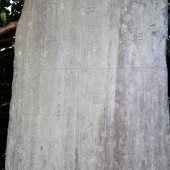
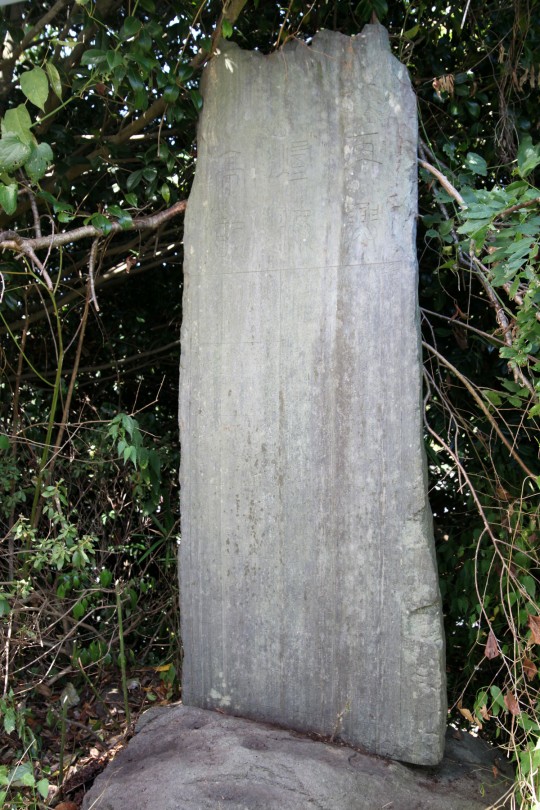
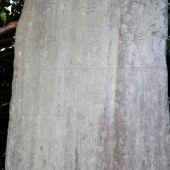
煙波亭は藤塚知明の別邸の称です。ここには林子平ら多くの遊人墨客が来亭しました。その邸内に石碑「芭蕉翁晩鐘」が建立されています。それには、奥の細道の塩竈に関する部分と天明二年壬寅六年とあり、基部に鶴里・魚行・文之らの俳人名が刻まれています。
より大きな地図で 「文化の港 シオーモ」 を表示
JPN|ENG
Enpatei is the name of Tomoaki Hugitsuka’s second home. Many artists who do calligraphy and painting have visited this place. Kodaira Hayashi was the one of them. There is a stone monument of “Basho okina bansho”. A stanza related to Shigama, cited from Okuno-hosomichi and “Tenmei 2, Ginin 6”, was engraved on the monument. Also poets’ names such as Tsurusato, Uoyuki, Bunshi were engraved on the bottom.
日本語|ENG
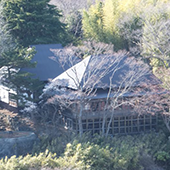
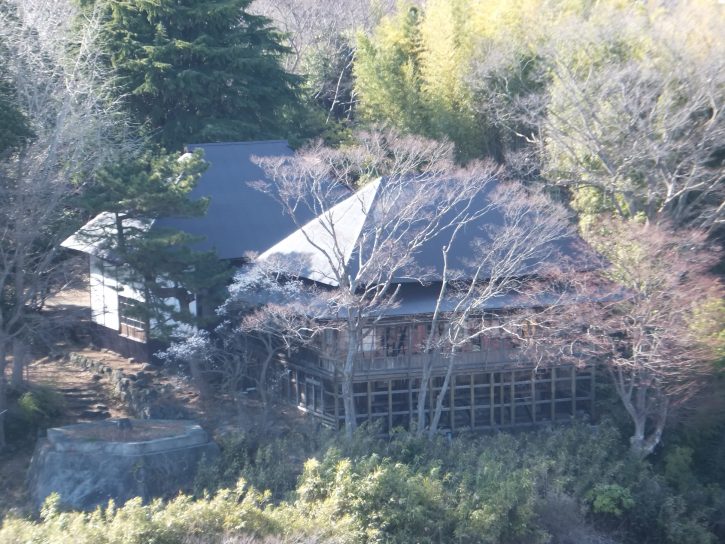
塩竈市指定・有形文化財(建造物)
勝画楼は、仙台藩の歴代藩主が鹽竈神社を参拝する際に、着替えや休憩の場所(御休所)として使用した建物で、“伊達”な文化を今に伝える貴重な文化遺産です。
仙台藩5代藩主伊達吉村が、ここからの眺望を「画に勝る」として「勝画楼」の扁額を揮毫したことが名前の由来とされます。
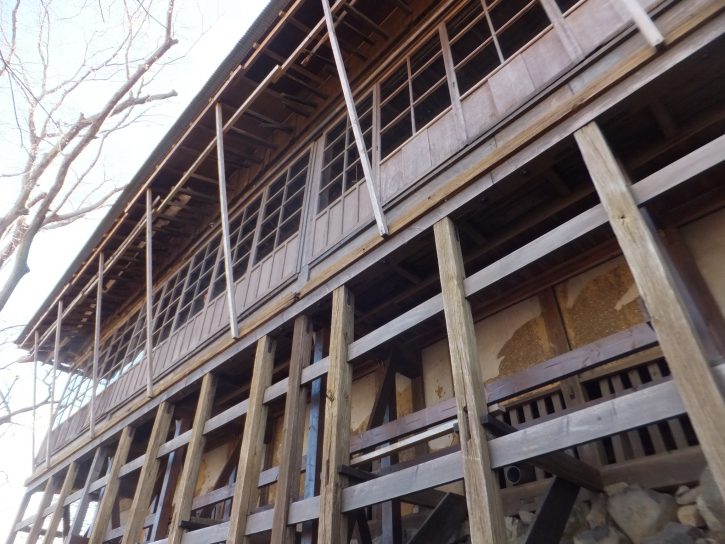
成立年代の異なる二棟からなる複合建築物で、鹽竈神社別当寺であった法蓮寺の客殿(方丈)に、18世紀に東向書院を建て増しして現在の形になったと考えられます。柱や梁の豪壮さ、天井や欄間の精細さなど、藩主が使用するにふさわしい高い格式を備えた建築物です。東向書院は、三つの部屋が欄間や襖を介した続き間として連なり、かつ入側をもっており、武家住宅の御殿に類似する平面構成を有します。かつての仙台城にもみられた、崖地にせり出す形で柱を立て、床を高くする「懸けづくり」が残っているのは、県内では勝画楼のみです。
明治4年(1871)に法蓮寺が廃寺となり、広壮な伽藍は取り壊され、寺宝は各地に散逸しましたが(※1)、勝画楼は残されました。
明治9年(1876)の天皇東北巡幸では行在所(宿泊所)として使われ、明治11年(1878)に民間に払い下げられて以降は料亭として市民に親しまれてきました。与謝野鉄幹、鮎貝槐園(気仙沼出身の学者)、北原白秋などの文化人や、皇族、外国大使、GHQ幹部なども利用した記録が残っています。
終戦後の経営不振により昭和36年に鹽竈神社に譲渡され、一時は神社職員用住居として利用されたこともありましたが、老朽化に伴い使用されなくなり、鹽竈神社が草刈りや巡回などの管理を行うのみとなりました。倒壊が危ぶまれたことから一時は解体が検討されたものの、市民、有識者、議会などからの保存を願う声が追い風となり、平成29年に志波彦神社・鹽竈神社より塩竈市に建物が譲渡され、行政の手で勝画楼を保存していくことが決まりました。現在、塩竈市では、将来的な復原工事や活用・公開に向けた作業を進めています(※2)。
平成30年には日本遺産「政宗が育んだ“伊達”な文化」の構成文化財に追加登録されるとともに、塩竈市の有形文化財に指定されました。
※1 法蓮寺廃寺の際、多賀城市の慈雲寺に移築された向拝(玄関建築)が、NPOみなとしほがまの尽力と関係者の協力により、平成20年、佐浦酒造社屋の玄関として、130余年の歳月を超え塩竈の地に蘇りました。
※2 安全確保の観点から、現在は敷地・建物内とも立入禁止となっています。
より大きな地図で 「文化の港 シオーモ」 を表示
JPN|ENG
Hourenji temple, an attachment of Shiogama shrine, was established in the late Muromachi period. At present, the only remains are the study room located in the east side of the temple and accessible from the entrance to the main hall. This temple was abandoned Meiji 4 (1871), but luckily avoided removal. In June of Meiji 9(1876), the temple was used for the Meiji Emperor’s stay when he visited the Tohoku area. In 1878, the temple was sold to a private company and used as a restaurant, however in 1961, it was returned to Shiogama shrine. This building, was named Shogarou by Date Yoshimura, the fifth feudal lord of the Sendai domain. The name means “magnificent beauty exceeding that of a picture”.
6-1, Miyamachi, Shiogama, Miyagi
日本語|ENG
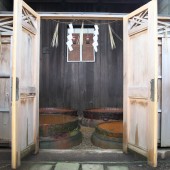
塩竈市指定・有形民俗文化財
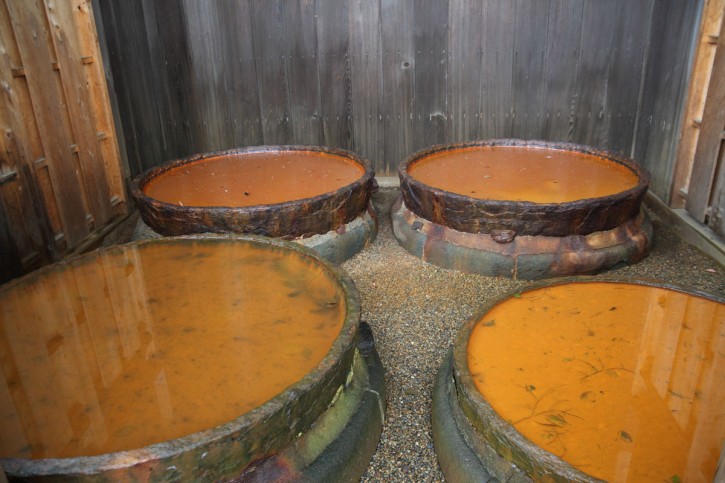
鹽竈神社の末社御釜神社に所在し、 往古製塩の業を伝えたといわれる鹽土老翁神の使用した釜に模して、鎌倉時代 (12世紀)と南北朝時代(14世紀)の製作といわれています。これらの神釜には常時潮水が満たされており、藩政時代世の中に異変があればその前兆として水が変色したと伝えられます。(御台釜一口:内径115㎝、 縁厚4㎝、 深さ6㎝ その他三口:内径137㎝、 縁厚4.5㎝、 深さ16㎝) 昭和51年10月1日指定
より大きな地図で 「文化の港 シオーモ」 を表示
JPN|ENG
(Shiogama city designated tangible folk cultural properties)
Okama shrine is a shrine subordinate to Shiogama shrine. The pots found here are believed to have been modeled on pots which the Ocean God Shiotsuchino Oji used to pass on ancient salt-making techniques. They were made in the Kamakura (12th century) and Nanbokuchou (14th century) periods. The Kamigama were always filled with tidewater and it’s said that the color of the water changes just before a calamity occurs in the world during Hansei period. (A pot : 115 cm in diameter, brim 4 cm thick, 6 cm deep. Other three pots : 137 cm in diameter, brim 4.5 cm thick, 16 cm deep)
Designated on October 1st, 51st year of Showa (1976).
Okama Shrine 7-1 Motomachi, Shiogama, Miyagi
日本語|ENG
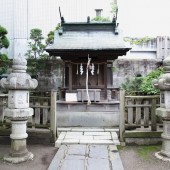
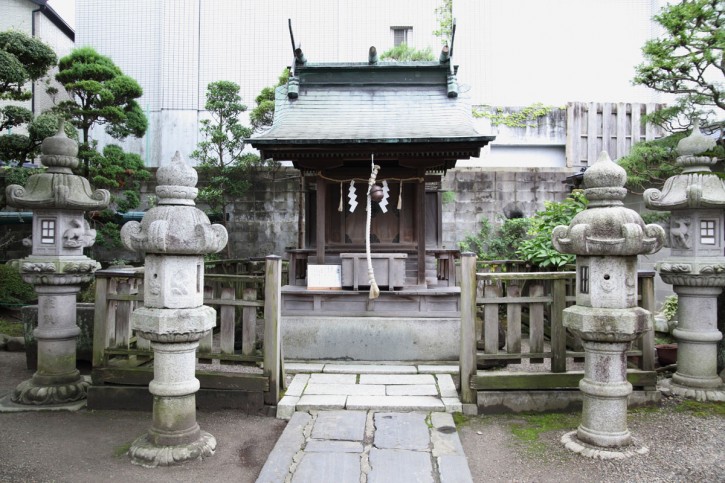
鹽竈神社の末社であり、 塩作りの製法を伝授した 「鹽土翁神」(しおつちのおじかみ)を祀ります。 この地は、 往古 「甫出の浜」(ほでのはま)と称された浜辺で、 我が国で最初に塩を作った場所として伝わっており、 境内には製塩に縁の深い 「四口の神釜」 や 「牛石藤鞭社」(うしいしふじむちしゃ)を祀っています。
より大きな地図で 「文化の港 シオーモ」 を表示
JPN|ENG
This shrine, which is subordinate to Shiogama shrine, deifies Shiotsuchino Ojikami, who is thought to have taught the process of salt making.
This place was a beach called Hodenohama in ancient times. It is a place where salt was made for the first time in our country. It also deifies Yonkono Kamigama and Ushiishi fujimuchi-sha, both of whom were related to the process of salt making.
7-1 Motomachi, Shiogama, Miyagi
日本語|ENG
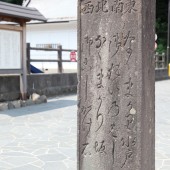
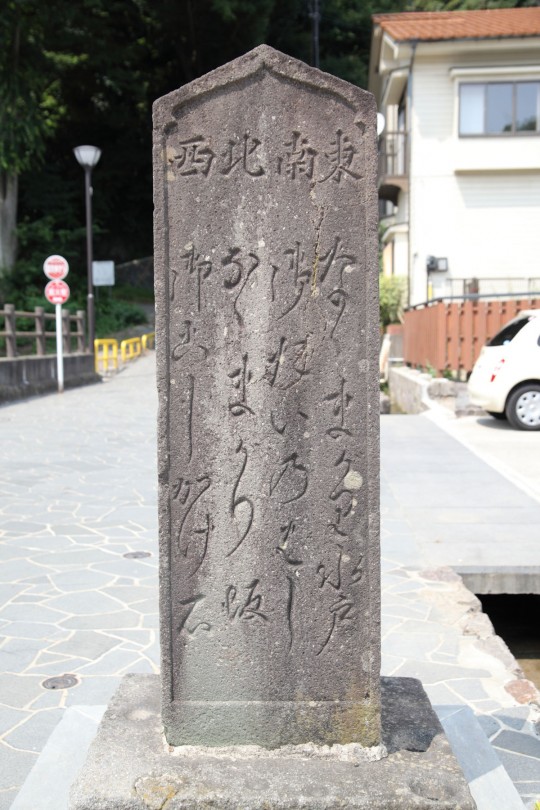
七曲坂前
江戸中期に市内の入り江に造られた石積みの護岸で、 千賀の浦の入り江数百にわたり築かれました。 入り江の両側に石が高さ1~1.5に積み重ねられ、 以後、 入り江は 「祓い川」 と呼ばれました。 藩政時代から塩竈神社の門前町として栄えた塩竈で、 護岸跡は当時の町並みづくりを知る貴重な資料です。(平成11年3月発掘調査)
より大きな地図で 「文化の港 シオーモ」 を表示
JPN|ENG
(Nanamagari slope)
This is a stone revetment built at the inlet of Chiganoura bay in the mid-Edo period. Stones were stacked on both sides of the creek about 1 to 1.5m high. After it was built, the inlet was called Harai river. It is a valuable and historic feature of the townscape of Shiogama city that flourished and was known as a temple town.
Excavated in March, Heisei 11 (1999).
11-13 Motomachi, Shiogama, Miyagi
日本語|ENG
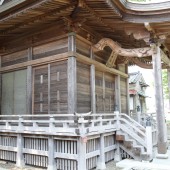
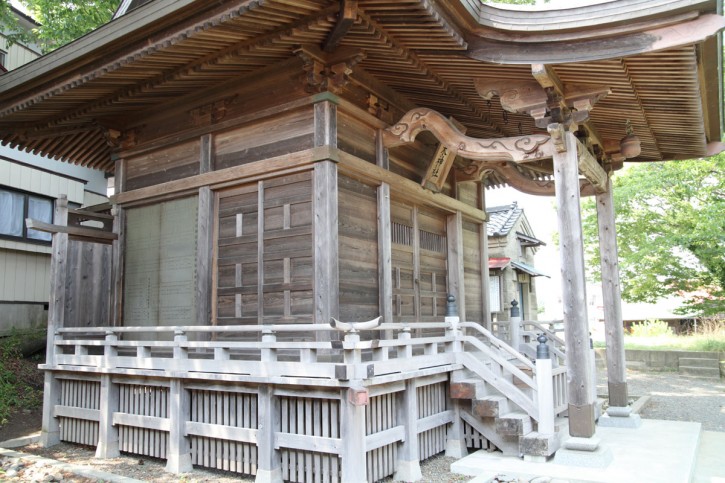
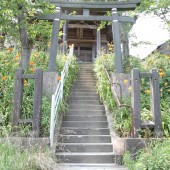
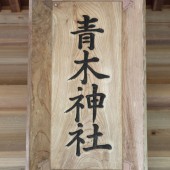
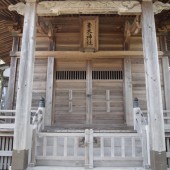
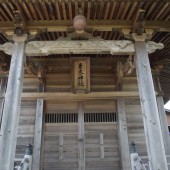
本社の創祀年代は明らかではありませんが、鹽竈大神の従属の神として古来十四末社の第一に挙げられています。後、一時期すたれましたが、元禄3年、塩竈新河岸町百姓勘右衛門なる者、心願成就報賽の為社殿を再興しました。慶応3年塩竈町大火の際社殿炎上、故趾に仮宮を造営して今日に及んでいます。
より大きな地図で 「文化の港 シオーモ」 を表示
JPN|ENG
The foundation year is uncertain but it has been listed as the primary god of 14 subordinate shrines, which are in turn subordinate to the Shiogama God. For a certain period of time it was temporally obsolete but ¬in Genroku 3 (1690), Kan-e-mon, a farmer who lived in Shiogama Shingashi town, revived the shrine after paying a visit of thanks for the realization of his earnest wishes. In Keio 3 (1867), there was a huge fire in Shiogama town and the shrine was burned down. The shrine we see today is the one rebuilt on the site after the fire.
8-14, Minamimachi, Shiogama, Miyagi
日本語|ENG